
Summer Nutrition Tips
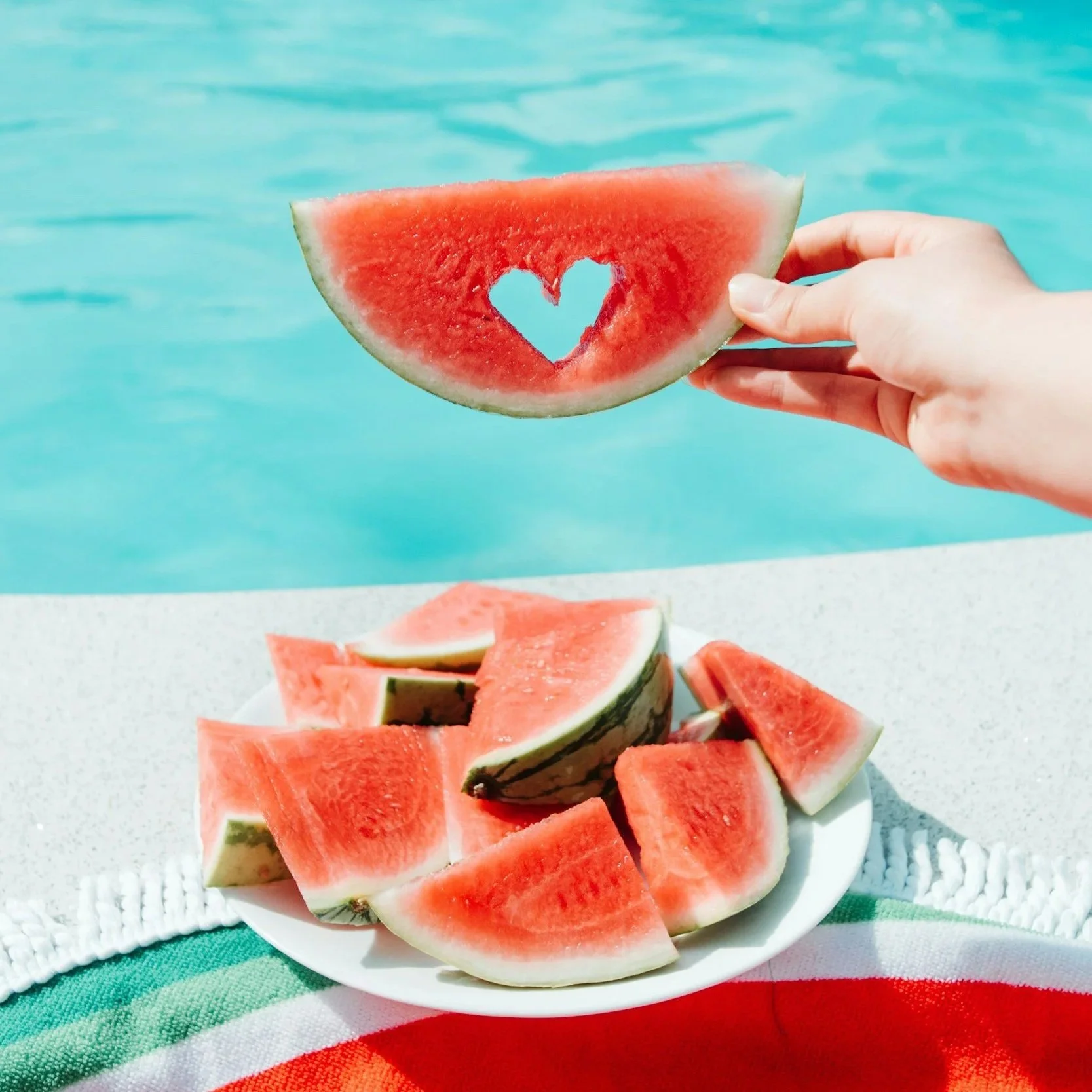
Summer can bring changes in routines, appetite, and increased pressure around body image, making it important to approach nutrition with flexibility and self-compassion. Focusing on consistent nourishment, hydration, and enjoying seasonal foods without guilt can help support both physical and emotional well-being. This season, we encourage you to prioritize caring for your body, creating meaningful experiences, and remembering that you deserve to enjoy summer exactly as you are.
Summer often brings a shift in routines, schedules, social events, and even the foods available to us. From vacations and pool days to cookouts and family gatherings, this season can feel exciting. But it can also bring unique challenges, especially for those working toward a healthier relationship with food and their body.
At our practice, we believe nutrition should support your physical and emotional well-being without relying on restrictive diets, food rules, or pressure to change your body. Here are some gentle nutrition tips to help you stay nourished and connected to your needs throughout the summer months.
Don't Skip Meals Because It's Hot
Many people notice a decrease in appetite during the warmer months. While this can be completely normal, your body still needs consistent nourishment.
Even if you don't feel as hungry, try to maintain a regular eating pattern by including meals and snacks throughout the day. If heavier foods feel less appealing, consider lighter options such as:
Smoothies with fruit, yogurt, and nut butter
Sandwiches or wraps
Greek yogurt with granola and berries
Pasta salads with protein and vegetables
Crackers, cheese, and fruit
Regular nourishment helps maintain energy levels, supports mood, and reduces the likelihood of intense hunger later in the day.
Stay Hydrated - But Don't Use Water to Replace Food
Hydration becomes especially important during the summer months, particularly if you're spending time outdoors, being physically active, or taking certain medications.
Keep water accessible throughout the day and consider including beverages that provide additional nourishment, such as milk, smoothies, electrolyte drinks, or juice.
It's also important to remember that hydration and nutrition serve different purposes. Drinking large amounts of water to suppress hunger or replace meals can leave your body under-fueled and unsatisfied.
Make Room for Summer Favorites
Summer often comes with foods that only seem to appear this time of year: ice cream, popsicles, burgers, hot dogs, watermelon, lemonade, and more.
Rather than viewing these foods as "good" or "bad," consider allowing yourself permission to enjoy them as part of a balanced eating pattern. Food is about more than nutrients—it can also provide enjoyment, connection, tradition, and satisfaction.
When we remove guilt and judgment from eating, we're often better able to tune into what our bodies actually want and need.
Prepare for Schedule Changes
Vacations, camps, road trips, and social events can disrupt normal eating routines. While flexibility is a valuable skill, it's also helpful to plan ahead when possible.
Consider:
Packing snacks for travel days
Bringing food options you know you'll enjoy
Keeping easy-to-prepare meals available at home
Setting reminders to eat if your routine changes significantly
Having a loose plan can help you stay nourished without feeling rigid or restricted.
Challenge Summer Body Pressure
Unfortunately, summer often comes with increased messages about changing, shrinking, or "fixing" our bodies before wearing shorts, swimsuits, or summer clothing.
These messages can be exhausting and can pull us away from what truly matters.
Your worth is not determined by your size, shape, weight, or appearance. You do not need to earn summer experiences through dieting or body changes. You deserve to participate in vacations, beach days, pool parties, and social gatherings exactly as you are today.
Instead of focusing on how your body looks, consider shifting attention toward:
How your body feels
What helps you feel energized
Activities you enjoy
Meaningful connections with others
Creating memories and experiences
Don't Forget About Balanced Snacks
Longer days and more time spent outdoors can increase energy needs. Having satisfying snacks available can help prevent energy crashes and keep you feeling your best.
Some examples include:
Apple slices with peanut butter
Trail mix
Cheese and crackers
Hummus with pita and vegetables
Yogurt with fruit
Protein or granola bars
Smoothies
A balanced snack often includes a combination of at least 2 food groups to promote both satisfaction and sustained energy.
Practice Flexibility, Not Perfection
One of the most important nutrition skills is flexibility. Some days may look different than others. You may eat at different times, enjoy more restaurant meals, attend celebrations, or simply have less structure than usual.
This is normal.
Rather than striving for perfect eating, focus on consistency, self-compassion, and meeting your body's needs as best you can. Nutrition is not about perfection; it is about caring for yourself in a way that is sustainable and supportive.
Final Thoughts…
Summer offers opportunities for fun, connection, adventure, and rest. While nutrition can help support your energy and well-being, it shouldn't become another source of stress.
This season, we encourage you to approach food with curiosity, flexibility, and compassion. Your body deserves nourishment every day of the year—not because of how it looks, but because it helps you live your life.
If you're struggling with food, body image, or eating disorder recovery, know that support is available. You don't have to navigate these challenges alone.